
Student Reflection: Preparing for Jean-Pictet with Heart and Responsibility
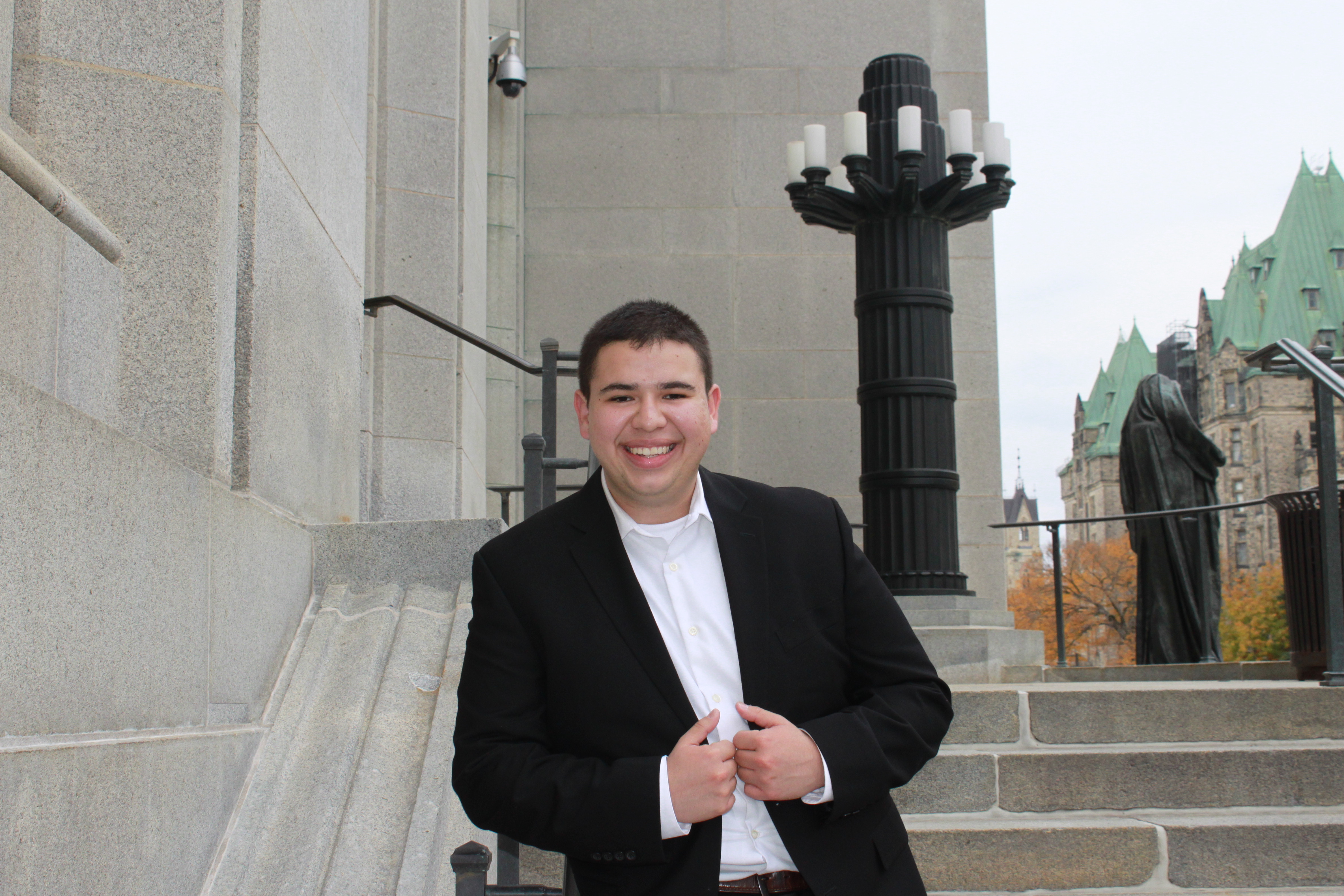
Preparing for Jean-Pictet alongside classes, exams, work, and daily life has been intense.
Last semester, I was taking six courses, working part-time, and being involved in student associations, all while preparing for this competition. So it was busy — very busy — but it never felt separate from the rest of my life.
It wasn’t just about finding time in my schedule. It was about learning to love international humanitarian law and constantly reflecting on how what I was learning could apply in real situations. I wasn’t only reading books or memorizing articles of the Geneva Conventions. I was asking myself: How would I use this if I were really in that situation? How would I explain it? How would I defend it under pressure?
I found myself talking about Jean-Pictet and IHL with my family and friends. They were curious. They would ask me what the competition was about and what I was going to do in Armenia. Explaining it to them forced me to clarify my own thinking, and sometimes they even gave me new perspectives.
In that sense, Jean-Pictet helped me take knowledge out of books and bring it into everyday life.
What I learned during this preparation goes far beyond what usually happens in a classroom. In law school, we often read cases, doctrine, and apply legal tests to paper problems. You can do very well and still feel disconnected from reality.
With Jean-Pictet, it’s different.
You learn how to communicate under stress. You learn how to convince people who may not want to listen. You learn how to defend humanitarian principles in difficult situations.
You also realize that behind every legal rule, there are real human lives — children, parents, families — caught in conflicts they did not choose. Even though the competition is a simulation, it reflects real-world realities. That awareness changes how you learn and how seriously you take the law.
Another very important part of this experience has been learning to work as a team.
We are evaluated as a team, so we had to learn each other’s strengths and weaknesses. We learned how to build on each other’s ideas, how to step in when someone needed support, and how to communicate clearly in stressful situations.
It hasn’t always been easy. We’ve had ups and downs. But through communication and trust, we learned that we are stronger together than alone. Over time, we really became a team.
The preparation itself has been demanding, but also enjoyable.
Unlike traditional moot competitions, we don’t know in advance what situation we will face. We don’t know which role we will play or what challenges we will encounter. That uncertainty forces us to think on the spot.
At first, it’s stressful. But with time, it becomes motivating.
The more we learned, the more we realized how vast international law is. Every new topic opens the door to more questions. Sometimes, you feel like time is flying and there is so much more to learn.
That creates pressure. But it’s good pressure. It pushes you to grow.
I also became very aware of how privileged we are to have this opportunity. The faculty and the Observatory invested time, energy, and resources in us. This experience is not accessible to everyone. Knowing that made me take the preparation even more seriously.
As we prepare to leave, what I feel most is gratitude and responsibility.
I trust my team. I trust our preparation. We worked seriously and invested a lot of time and effort. Of course, we want to do well, but for me, this competition is not only about winning. It’s about integrity, commitment, and respect for the opportunity we were given.
For future Jean-Pictet teams, my main advice would be: expect the unexpected.
Learn the basics early. Build strong foundations. Understand the core principles. Then be ready to adapt.
The more comfortable you become, the more you realize how wide and complex international law really is. You will never know everything — and that’s normal. What matters is knowing enough to navigate situations ethically and intelligently.
Beyond legal knowledge, it’s essential to develop social and communication skills — how to enter a room, build trust, explain complex ideas clearly, and lead conversations. That “soft knowledge” is just as important as doctrine.
This experience has also changed how I see international law in practice.
I was born in Colombia, where armed conflict has been a real reality for many people. I’ve always been passionate about international humanitarian law. But Jean-Pictet showed me how difficult this work truly is.
Convincing people to respect IHL requires more than legal arguments. It requires humanity, emotional intelligence, and strong relationships.
I’ve learned how important it is to manage conversations — to guide them and lead them in a constructive direction. These are skills that matter not only in international law but in life.
Finally, this experience has made me deeply grateful.
Many people believed in us and invested in us. That trust means a lot to me.
Being here is a privilege. And that privilege comes with responsibility.
I am thankful for my team, for my mentors, and for everyone who made this journey possible.


Comments