
Raising Awareness Through Art
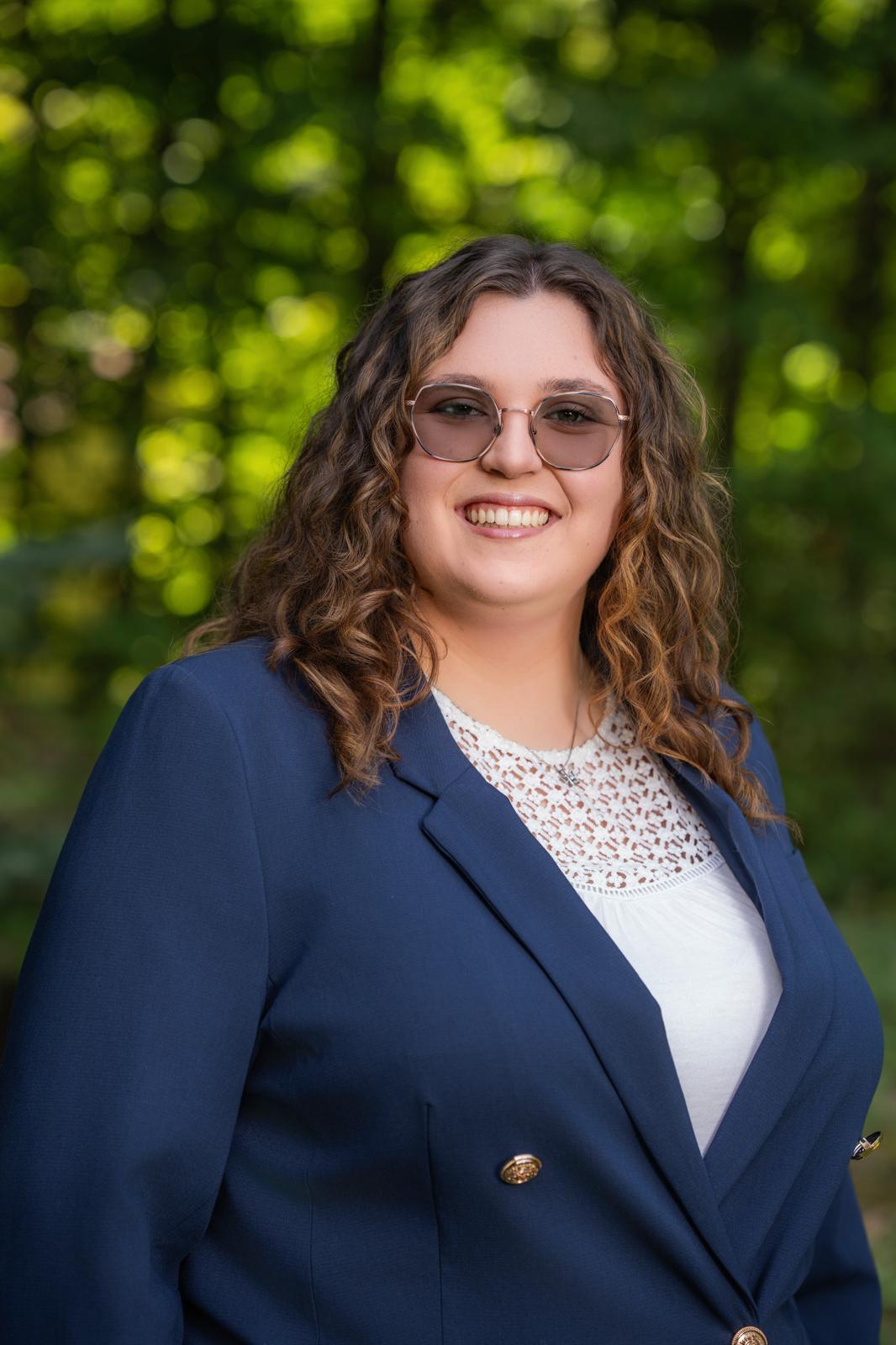
On Wednesday, October 8, the leaders of the Observatory had the chance to meet Ms. Aurélia Bizouard, a French‑Canadian artist whose practice is built on a fascinating principle: creating art with the invisible. Her work uses transparent mediums, like windows, plastic film, glass, and more, to paint with light, build three‑dimensional forms, and bring to life an artistic dimension that goes beyond the traditional canvas1.
Art and Law, More Similar Than One Might Think
As a leader attending the session, I was initially skeptical. I tend to be pragmatic by nature, and the study of law often pulls us into a highly structured logic: identifying the cause of a dispute, determining what we want to prove, and following the methodical steps to get there. It’s concrete, rational, theoretical. Art, on the other hand, has always seemed too abstract to me, sometimes even inaccessible.
One of my peers, Eva Marie Louis, made a parallel at the beginning of the meeting that made me deeply reflect: the inaccessibility of art mirrors the inaccessibility of the justice system.
The art pieces are right there in front of us, but without a guide to help us understand, feel, or navigate them, they remain distant. In the same way, courts exist, lawyers exist, but without the tools, time, or financial means, access to justice remains a theoretical idea for many.
It was at that moment that I understood why Ms. Bizouard had come to meet us: her world touches ours, and speaks directly to my concerns as a future lawyer. How can I make my art, my profession, accessible?
How to Raise Awareness?
The way Ms. Bizouard conceives art resonated with me. For her, art must be an experience. Living a moment physically, feeling, touching, hearing, seeing, is how she manages to profoundly move the people who participate in her works. Her vision of art is far more concrete and accessible than a text or a brushstroke, no matter how well executed they might be.
he presented several of her works, including Des vies sous plastique; an installation where participants are invited to walk under a sheet of plastic to immerse themselves, on a small scale, in the reality of immigrant workers who labor in greenhouses at more than 50 °C. She also showed Where Is Home, a house structure made of glass trough which a beam light is projected. Each visitor can write what “home” means to them. When you step inside the structure, the answers of others light up on the walls2.
These are artistic works, yes, but also profound activist statement. They made me realize how art can be a powerful vector to raising consciousness as a society. Stepping into someone else’s reality, feeling even a fragment of their experience or their injustice, is deeply moving, even more so than words or images can be.
As future jurists, we, the leaders of the Observatory, have a responsibility that goes beyond the justice system. We have a duty to society as a whole: to advance the law, broaden perspectives, and defend those who cannot defend themselves. To be bold not for ourselves, but for the collective good.
Ms. Bizouard’s art reminded me that justice, like art, must be lived, felt, accessible. It must touch people, not simply exist in our law books.
Creating Art With Our Bodies: A Bright Experience
The session ended with a surprising activity: creating art with our own bodies. We stood in a line, pressed close to one another, while colourful light was projected onto the wall. Our shadows overlapped, stretched, and transformed. Shapes quickly appeared: birds, intertwined hands, laughter. Twenty young people painted an entire landscape using only their bodies, light, and a bit of imagination.
We are all creative in our own way, and thanks to Ms. Bizouard’s conference, I am fully aware of my own creativity in my daily life. Thinking, choosing, acting are creative actions, and I will strive to nurture this creativity throughout my journey at the Observatory, as well as throughout my life.
---
1Aurélia Bizouard, “About”, online: <aureliabizouard.com> [https://www.aureliabizouard.com/about].
2Aurélia Bizouard, “In Our World”, online: <aureliabizouard.com> [https://www.aureliabizouard.com/about].


Comments